
Roofing Systems That Stop Recurring Leaks
Roof Replacements in Colton for aging roofs showing granule loss, lifting shingles, or active water intrusion
Worn roofing systems fail when underlayment deteriorates, fasteners back out due to thermal cycling, or flashing separates from vertical surfaces during wind events. Homeowners in Colton face these issues after prolonged sun exposure and seasonal temperature swings that accelerate shingle aging and sealant breakdown. Pro Alpha Contractors completes full roof replacements using shingles, ceramic tile, slate tile, and torch down systems, selecting materials based on roof pitch, structural load capacity, and long-term weather resistance requirements.
Replacement work involves removing damaged roofing down to decking, inspecting sheathing for rot or delamination, installing synthetic or rubberized underlayment, and applying roofing materials with fastener patterns that resist uplift. Flashing is replaced at chimneys, valleys, and sidewall transitions to prevent water entry at vulnerable junctions.
Request a roof replacement estimate to assess your current roofing condition and material options.
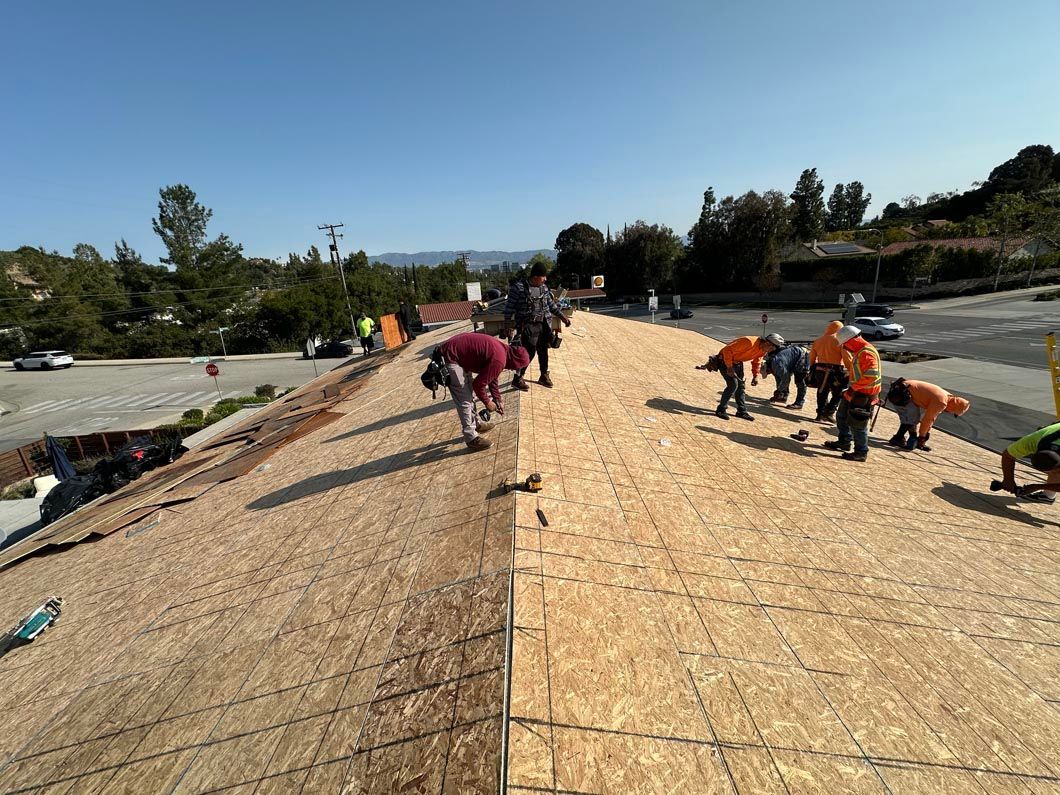
How Roof Replacement Addresses Water Intrusion
The replacement process starts with a full tear-off to expose roof decking, allowing inspection of plywood or OSB sheathing for moisture damage, soft spots, or fastener pull-through. Any compromised sections are replaced before new underlayment is rolled out and fastened, creating a secondary water barrier independent of the finish roofing layer.
Once the new roof is installed, you will notice that attic spaces remain dry during rainstorms, ceiling stains no longer expand, and ventilation components function without moisture condensation that previously indicated underlayment failure. Properly installed roofing eliminates the gradual water migration that causes insulation compression and framing rot in attic spaces.
The company uses materials selected for durability and curb appeal, with attention to valley metal gauge, drip edge installation, and ridge cap fastening that prevents wind-driven rain from entering at roof peaks. Licensed and insured service includes dependable scheduling and clear communication about project stages and material delivery timelines.
Answers to Frequent Service Questions
Roof replacement planning raises practical questions about material selection, timing, and structural considerations specific to residential properties.
What determines which roofing material is appropriate?
Roof pitch, structural load limits, and aesthetic preferences guide material selection, with tile requiring steeper pitches and additional framing support compared to composition shingles that install on lower slopes without structural reinforcement.
How does torch down roofing differ from shingle systems?
Torch down involves heating and adhering rubberized membranes to flat or low-slope surfaces, creating a monolithic waterproof layer without the mechanical fasteners and overlapping seams used in shingle installation.
When is the best time to replace a roof in Colton?
Replacement is ideally scheduled during dry months to avoid weather delays and ensure that underlayment and adhesives cure properly before exposure to rain, though emergency replacements proceed year-round with tarping protocols.
What happens to the existing roofing material?
All removed roofing, underlayment, and damaged decking is hauled away and disposed of according to local regulations, with job sites kept clear of debris throughout the replacement process.
Why do some roofs leak after replacement?
Leaks typically trace to inadequate flashing at chimneys or skylights, incorrect valley installation, or insufficient underlayment overlap, which is why Pro Alpha Contractors emphasizes careful workmanship at every junction and transition point.
Pro Alpha Contractors combines affordable pricing with quality materials and careful execution, avoiding shortcuts that lead to premature roofing failures. Schedule a free roof inspection to evaluate storm damage, leak sources, and replacement material options.