Slabs Poured to Stay Level
Concrete Work in Colton for driveways, foundations, and walkways requiring durable flatwork and proper grading
Concrete driveways crack when subgrade settles unevenly, when insufficient rebar prevents shrinkage control, or when pour thickness varies across the slab. Pro Alpha Contractors handles concrete services including driveways, foundations, footings, and residential flatwork, preparing subgrade through compaction and grading before reinforcement placement and pour scheduling. Homeowners rely on this work when planning additions that require footings tied to existing foundations or when replacing deteriorated flatwork that no longer drains properly.
The company uses dependable materials and follows proper installation methods, including vapor barriers under slabs, control joint placement to manage cracking, and finish techniques that create slip-resistant surfaces without excessive texture. Foundation work involves excavation to stable soil, formwork verification, and continuous pours to avoid cold joints that compromise structural continuity.
Arrange an on-site visit to review grading conditions and concrete specifications for your driveway or foundation project.
What Changes After Concrete Installation Completes
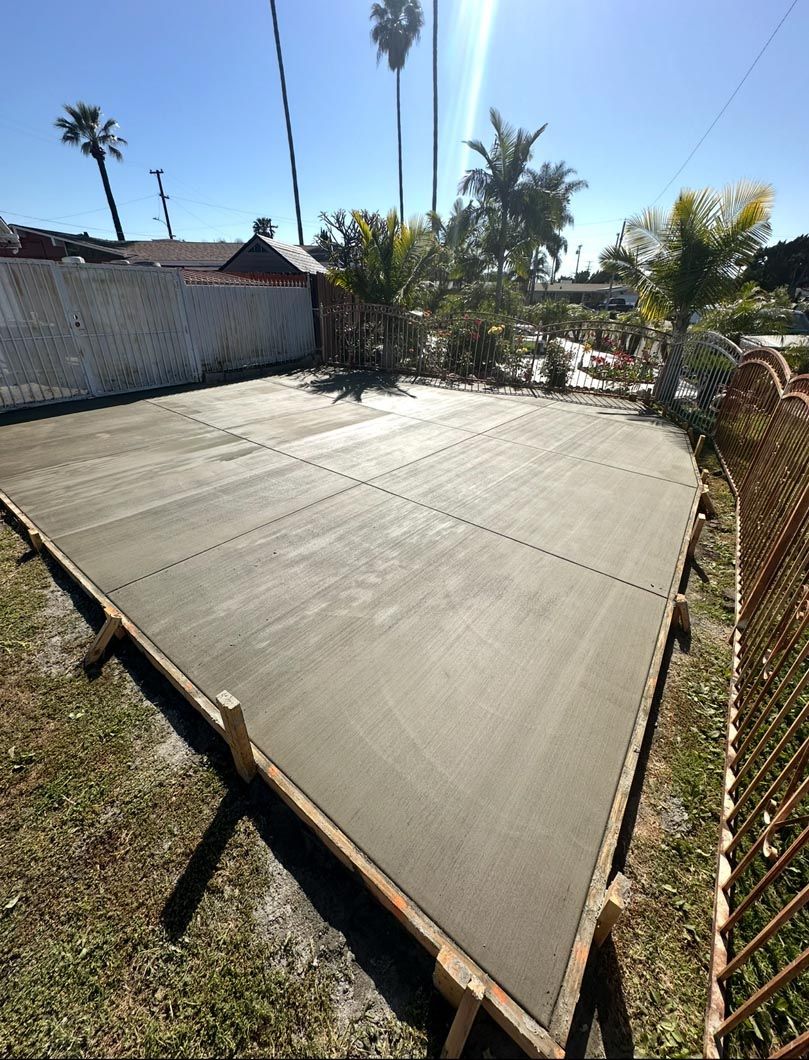
Concrete installation begins with subgrade preparation involving removal of organic material, compaction of fill layers, and verification of grade slopes that direct water away from structures. Rebar or wire mesh is positioned and elevated to remain centered in the slab thickness, followed by concrete placement using screeds to establish level planes and float finishing to compact the surface layer.
After curing is complete, you will notice that driveways support vehicle loads without edge crumbling, walkways remain level without trip hazards at control joints, and foundation surfaces provide uniform bearing for framing sill plates. Properly finished concrete sheds water toward drainage routes rather than pooling in low spots that accelerate freeze-thaw damage or surface spalling.
Control joints are cut or tooled at intervals calculated to intercept shrinkage cracks, directing them along planned lines rather than allowing random cracking across slab midspans. Pro Alpha Contractors applies curing compounds or wet-cures slabs to slow moisture loss during initial hardening, which reduces surface crazing and improves long-term abrasion resistance.
Common Questions About This Service
Concrete project planning involves decisions about thickness, reinforcement, and site preparation that affect both cost and performance over the slab's lifespan.
What thickness is required for residential driveways?
Standard driveways use four-inch thickness with rebar reinforcement, while areas expecting heavy vehicles or poor subgrade conditions may require six-inch pours with increased rebar density to prevent cracking under concentrated loads.
How long does concrete need to cure before use?
Initial foot traffic is safe after 24 to 48 hours depending on temperature and humidity, but vehicle traffic should wait seven days to allow the concrete to reach adequate compressive strength without surface damage.
What site preparation prevents future settling?
Subgrade compaction using plate compactors or rollers eliminates voids that allow soil consolidation under slab weight, and removal of roots or organic debris prevents decomposition voids that cause localized sinking.
Why do some slabs crack despite reinforcement?
Cracking occurs when control joints are spaced too far apart, when subgrade settlement creates unsupported slab sections, or when inadequate curing causes excessive shrinkage during the first weeks after pouring.
How does grading affect concrete performance in Colton?
Proper slope directs runoff away from foundations and prevents water pooling that saturates subgrade and leads to erosion under slab edges, which is critical in areas with clay soils that expand when wet.
Pro Alpha Contractors provides honest recommendations about reinforcement needs and site preparation requirements, helping homeowners avoid future repair costs. Request a free estimate on your footing, foundation, or driveway concrete project.